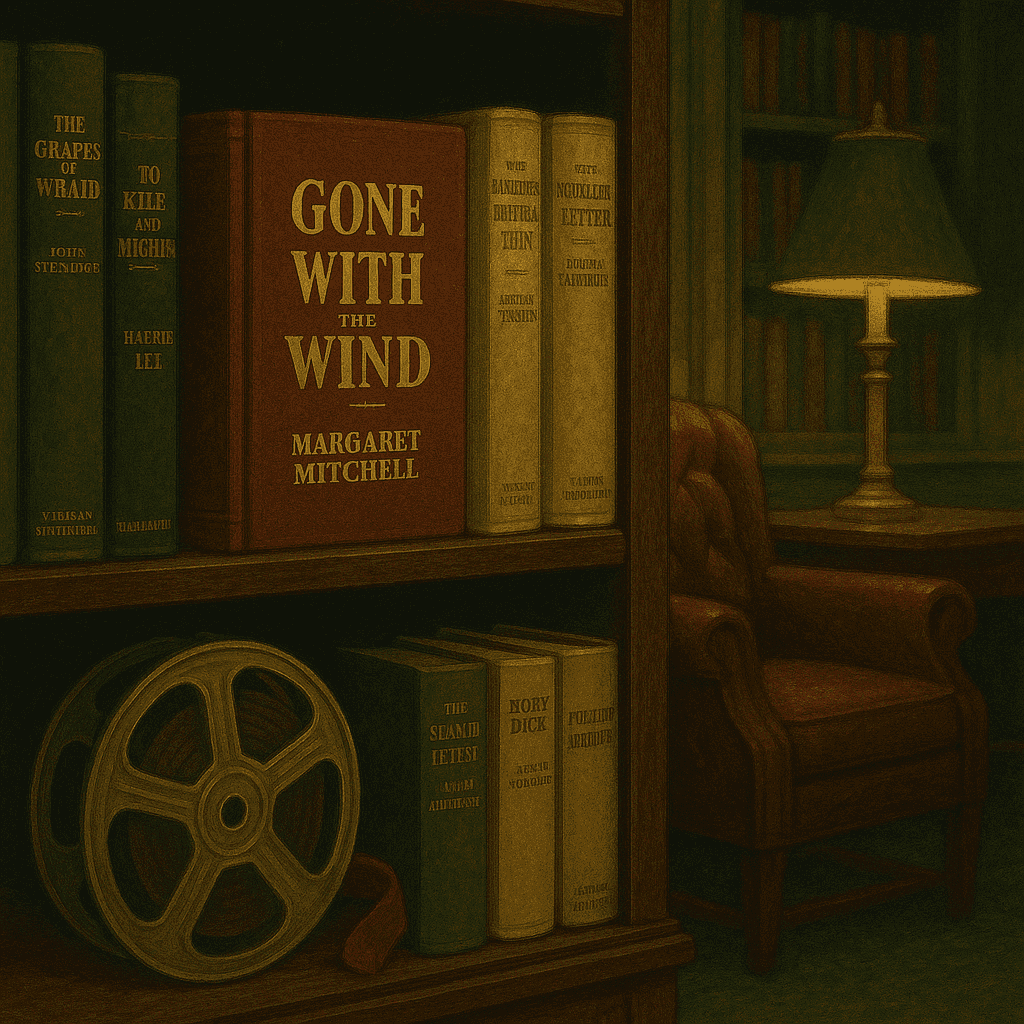
On June 30, 1936, Margaret Mitchell's epic novel "Gone With the Wind" was published, instantly captivating readers with its sweeping portrayal of the American South during the Civil War and Reconstruction era. The 1,037-page tome became an immediate bestseller, selling over one million copies in its first year and establishing itself as one of the most popular novels in American literary history. Mitchell, a former journalist from Atlanta, had spent nearly a decade crafting this ambitious work that would define her career and spark decades of cultural debate.
Critical Acclaim and Hollywood Success
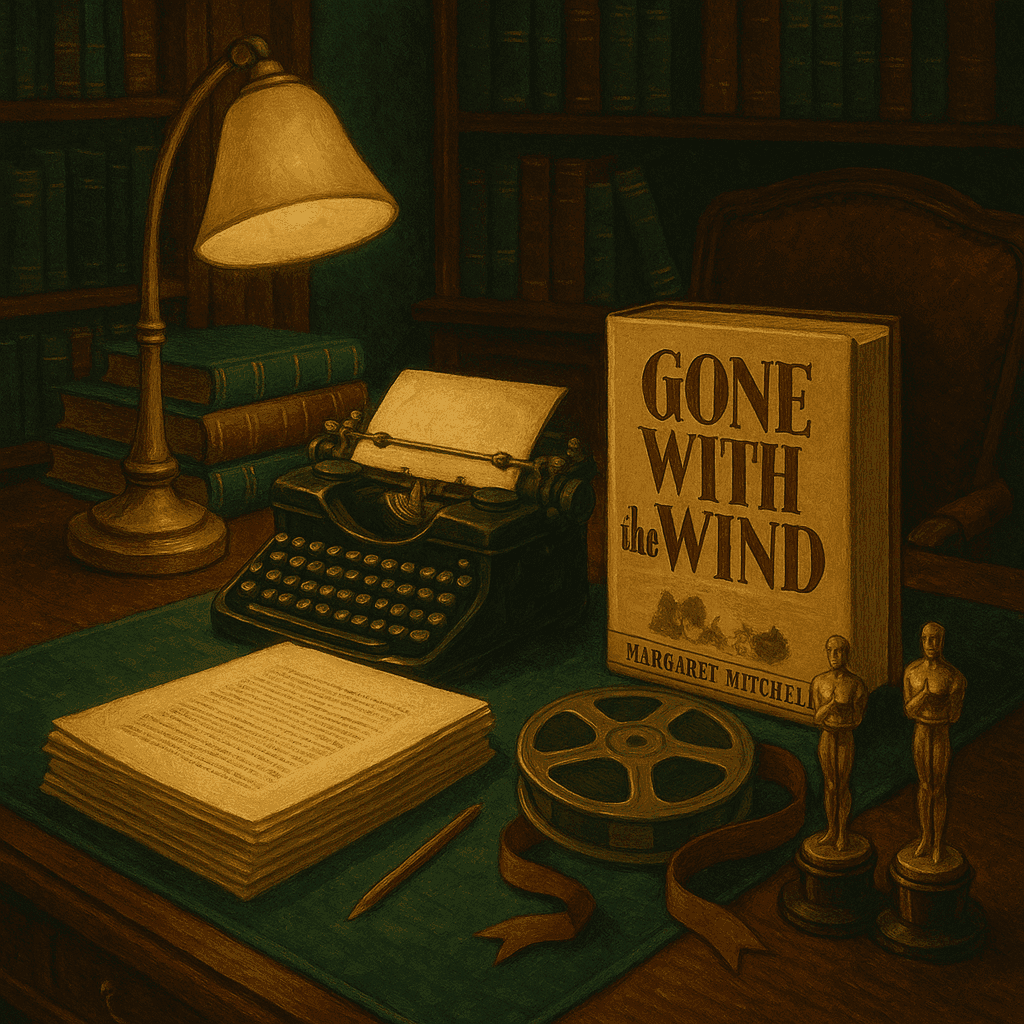
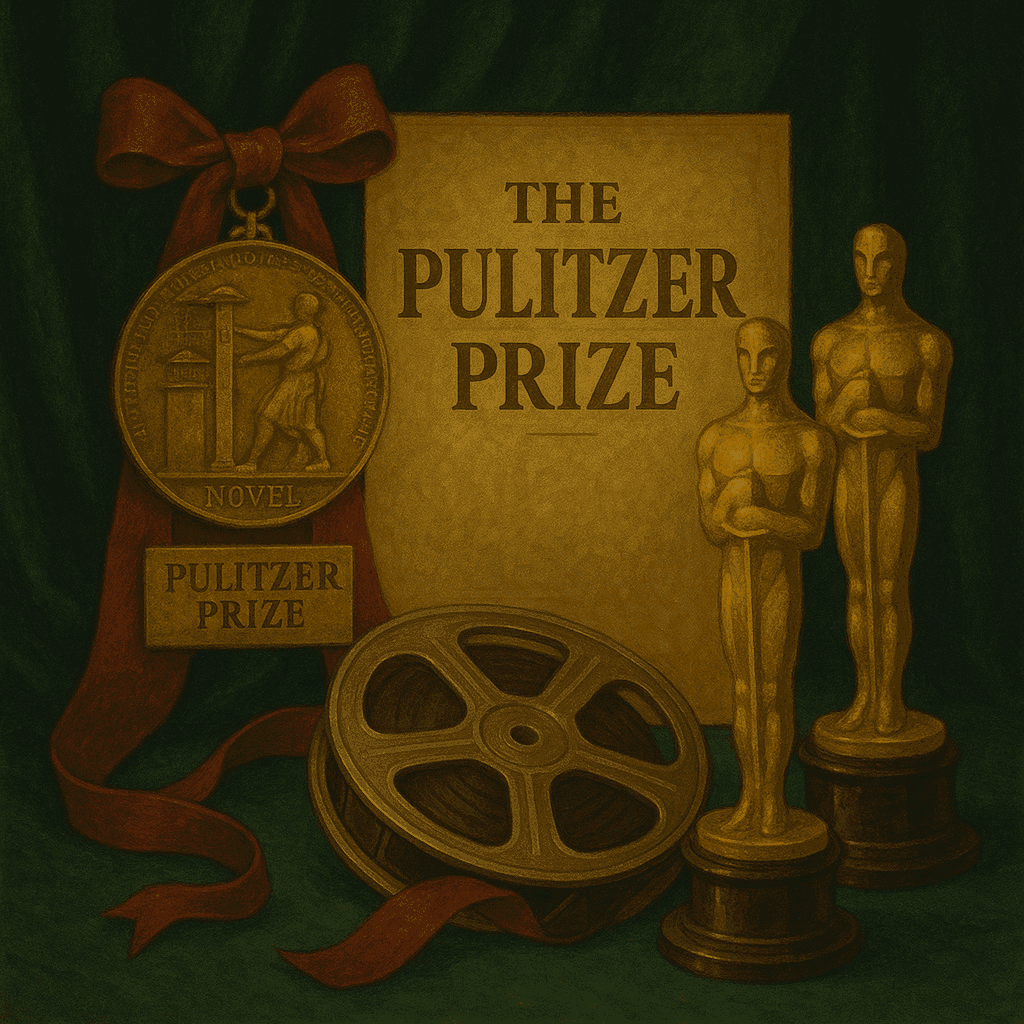
"Gone With the Wind" received the Pulitzer Prize for Fiction in 1937, cementing its place in American literature. The novel's success attracted Hollywood's attention, leading to the 1939 film adaptation starring Vivien Leigh and Clark Gable that won ten Academy Awards including Best Picture and became a cultural phenomenon matching the book's popularity.
Romanticizing the Antebellum South
The novel presented a romanticized view of plantation life that glossed over the brutal realities of slavery, portraying enslaved people through harmful stereotypes while depicting the antebellum South as a lost golden age. This nostalgic portrayal appealed to many readers but fundamentally misrepresented the historical experience of millions of enslaved Americans.
A Complex Cultural Legacy
While praised for its narrative scope and literary craftsmanship, "Gone With the Wind" has faced increasing scrutiny from modern scholars and readers who recognize its problematic depiction of race relations and slavery. The work remains a complex artifact that reflects both the storytelling ambitions and troubling racial attitudes of its era, continuing to spark debate about how to reconcile literary achievement with historical responsibility.