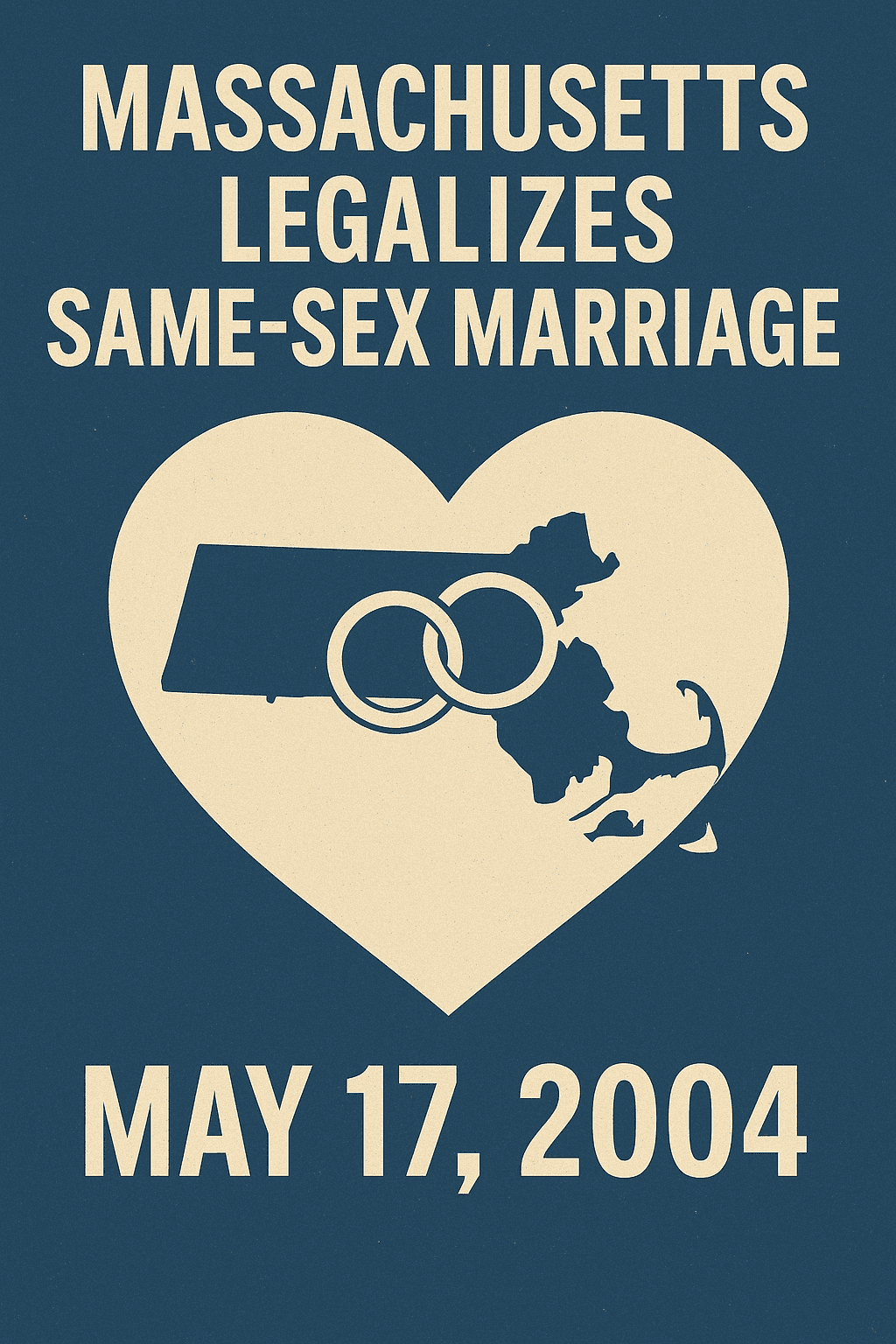
On May 17, 2004, Massachusetts made history by becoming the first U.S. state to perform legal same-sex marriages. The milestone came six months after the Massachusetts Supreme Judicial Court ruled in Goodridge v. Department of Public Health that denying marriage rights to same-sex couples was unconstitutional under the state’s constitution. This groundbreaking moment not only affirmed the dignity and equality of LGBTQ+ couples in Massachusetts, but also ignited a nationwide conversation about marriage rights that would culminate in a historic shift across the country.
The Court Case That Changed the Course
The Goodridge decision, delivered in November 2003, found that limiting marriage to opposite-sex couples violated the principles of individual liberty and equality guaranteed by the Massachusetts Constitution. The court gave the state legislature 180 days to implement the ruling, which led to the issuance of marriage licenses to same-sex couples starting on May 17, 2004.
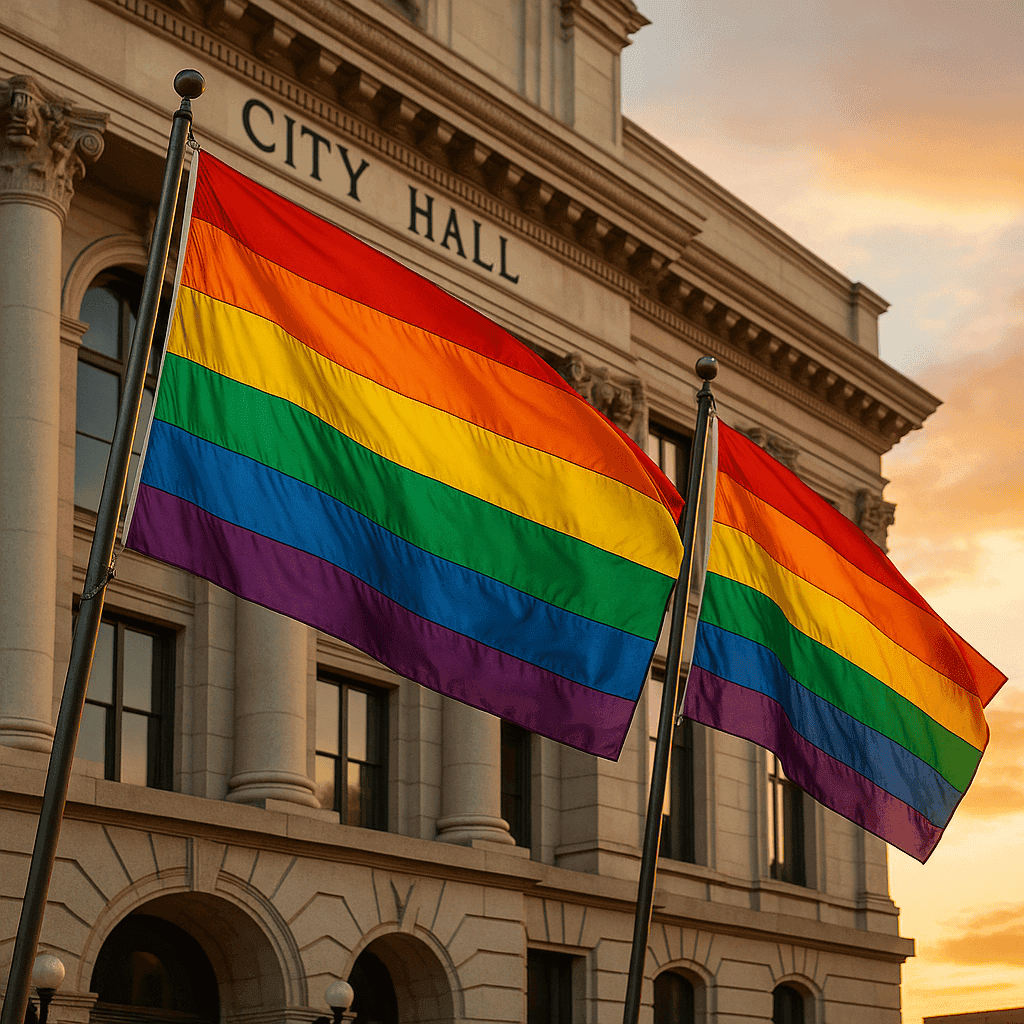
On that day, couples across Massachusetts lined up at city halls to apply for licenses and exchange vows. In cities like Cambridge and Boston, jubilant celebrations erupted as couples who had waited for years—often decades—were finally able to legally marry.
A Catalyst for National Change
The legalization of same-sex marriage in Massachusetts marked a critical turning point in the broader LGBTQ+ rights movement. It sparked hope and momentum for advocates nationwide, while also triggering legal and political battles in other states. Some moved to pass constitutional amendments banning same-sex marriage, while others began legal challenges to gain similar rights.
Over the next decade, a wave of court rulings and legislative actions gradually expanded marriage equality across the country. The movement reached its apex on June 26, 2015, when the U.S. Supreme Court ruled in Obergefell v. Hodges that same-sex marriage was a constitutional right nationwide.
A Legacy of Equality and Love
May 17, 2004, stands as a watershed moment in the fight for civil rights in America. It demonstrated the power of legal advocacy, public support, and persistent activism in driving social change. For many couples, it was more than a legal acknowledgment—it was a long-awaited affirmation of love, family, and belonging.
Today, the anniversaries of Massachusetts’ first same-sex marriages continue to be celebrated as a symbol of progress and a reminder that the arc of justice, though long, bends toward equality. The events of that day laid a foundation for future victories and remain a beacon of hope for those continuing the work for full LGBTQ+ inclusion and rights.