On her 13th birthday, June 12, 1942, Anne Frank received a small, red-and-white checkered diary—a gift that would eventually become one of the most important personal records of the Holocaust. Just weeks later, her family would go into hiding in a secret annex in Amsterdam to escape Nazi persecution. What began as a simple birthday present evolved into a powerful testament to the human spirit, providing an intimate window into the fears, dreams, and resilience of a young girl during one of history’s darkest chapters.
The Beginning of a Remarkable Voice

Anne Frank began writing in her diary almost immediately after receiving it, affectionately naming it “Kitty.” Her early entries reflected the ordinary concerns of a teenage girl—school, friends, and family dynamics. But within a month, the tone of her writing shifted dramatically as her family went into hiding in the secret annex above her father’s business. Anne chronicled the transformation of her world with a keen eye and emotional honesty that captured the complex mixture of fear, hope, and adolescent growth in captivity.
Over the course of two years in hiding, Anne filled her diary with detailed observations, reflections on the war, and her inner struggles. Despite the terrifying circumstances, she never lost her curiosity or her drive to understand the world around her. Her writing evolved as she matured, showing a remarkable depth of thought and literary skill. She aspired to become a journalist or writer, not knowing that her words would someday reach millions.
Capturing Life in Hiding
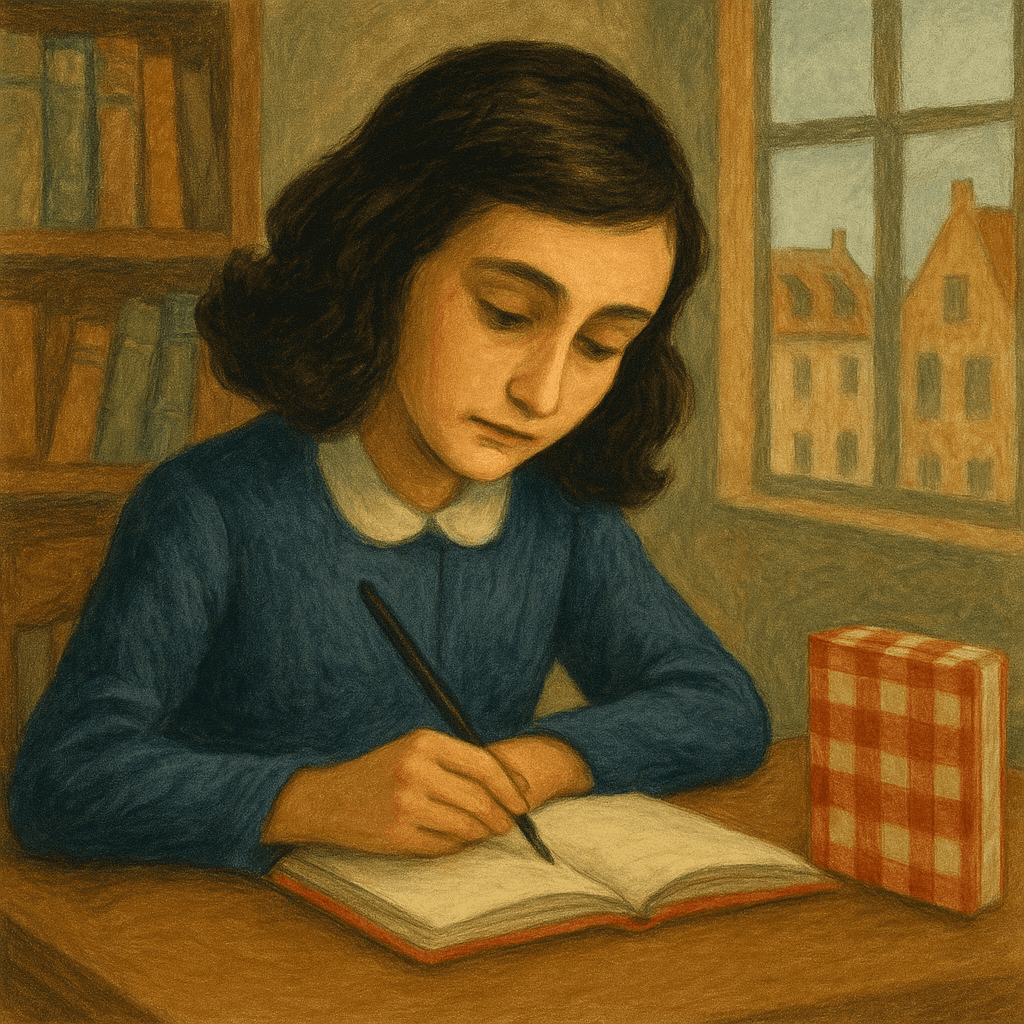
Anne’s diary offers an extraordinary view into the daily life of Jews in hiding. She wrote about the constant threat of discovery, the strict routines they followed to avoid detection, and the tensions that arose in such close quarters. But she also recorded moments of humor, affection, and hope, making her story all the more human and relatable. Through her eyes, readers see the impact of oppression not just in grand historical terms, but in the quiet heartbreaks and private victories of everyday life.
One of the most striking aspects of Anne’s writing is her insight into her own growth and emotions. She candidly examined her relationship with her parents, her longing for freedom, and her emerging sense of identity. Her reflections on love, faith, and injustice continue to resonate with readers of all ages. Though she was a teenager, Anne's words carry a timeless wisdom that speaks to the universal struggle for dignity and understanding in the face of cruelty.
Legacy Through Literature
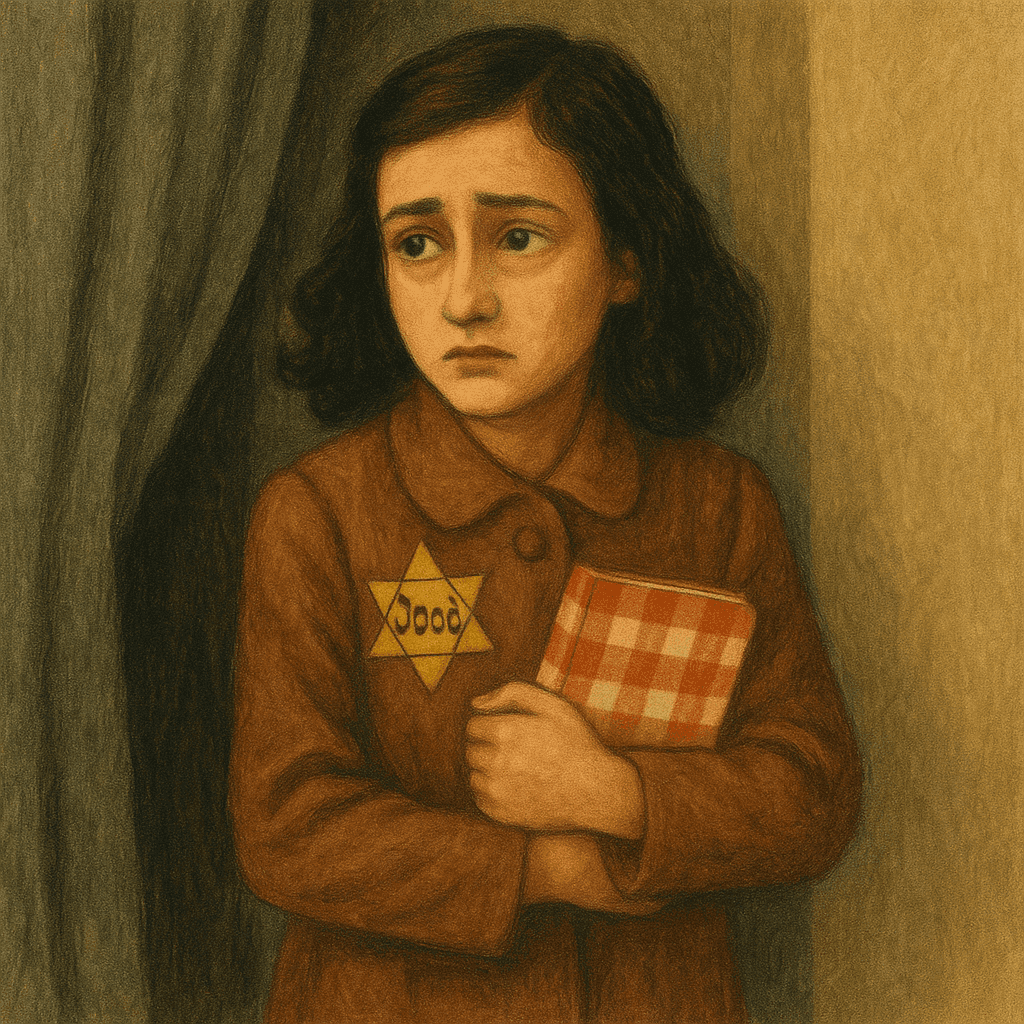
After the annex was discovered in August 1944 and the Frank family was arrested, Anne’s diary was saved by Miep Gies, one of the people who had helped shelter them. Otto Frank, Anne’s father and the only family member to survive the Holocaust, later compiled and published her writings. First released in 1947, The Diary of a Young Girl has since been translated into more than 70 languages and remains one of the most widely read books in the world.
Anne Frank’s diary has educated generations about the Holocaust and the personal cost of hatred and discrimination. Her story has inspired countless adaptations in theater, film, and education, ensuring that the voices of Holocaust victims are never forgotten. Her ability to express hope and compassion even in the face of despair stands as a powerful reminder of the human capacity for resilience.