On May 25, 1977, a little-known science fiction film titled Star Wars opened in just 32 theaters across the United States—and changed the course of cinema forever. Written and directed by George Lucas, the film stunned audiences with its groundbreaking visual effects, imaginative world-building, and timeless themes of good versus evil. What began as a risky passion project quickly exploded into a global cultural phenomenon, ushering in a new era of blockbuster filmmaking and creating one of the most influential franchises in entertainment history.

A New Hope for Moviegoers
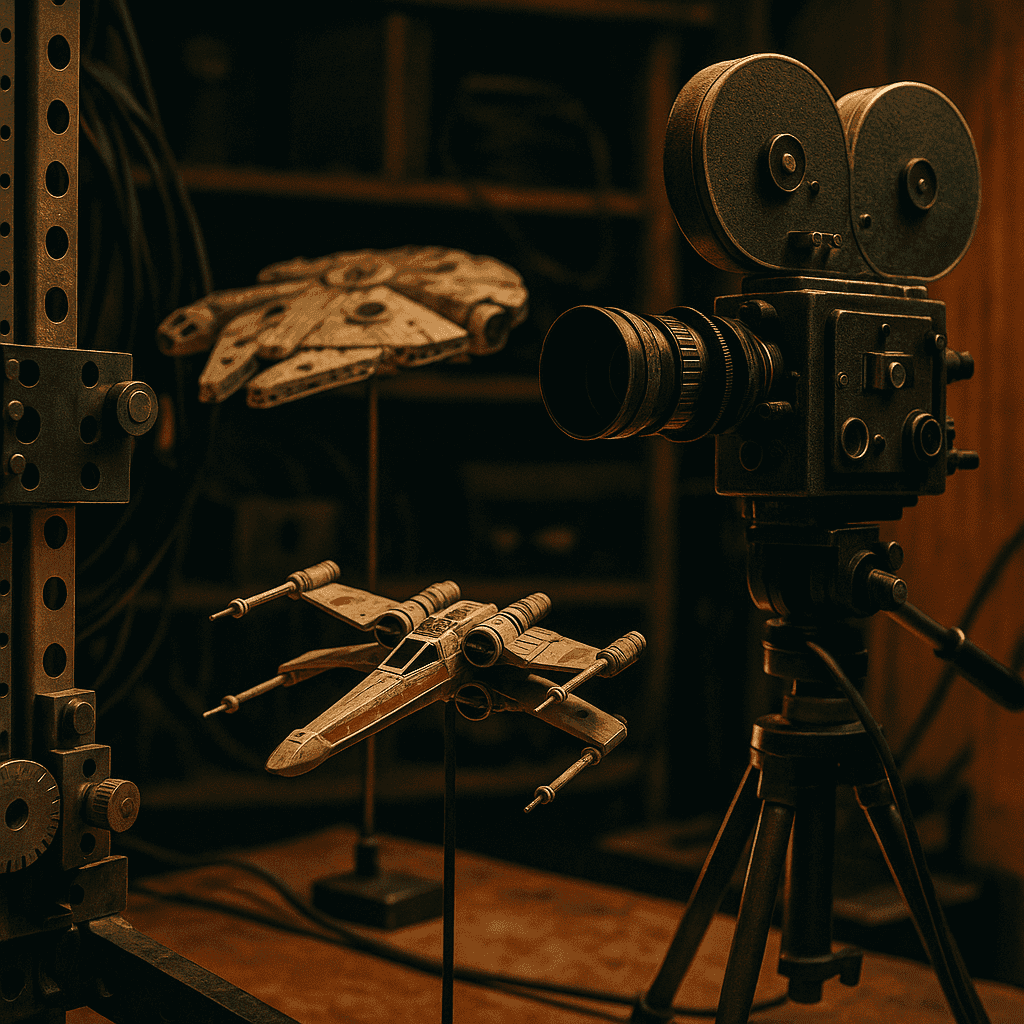
Star Wars (later retitled Star Wars: Episode IV – A New Hope) offered a thrilling escape from the gritty realism that dominated 1970s cinema. Blending classic hero’s journey storytelling with futuristic technology, it followed young Luke Skywalker as he joined forces with Princess Leia, Han Solo, and Obi-Wan Kenobi to battle the oppressive Galactic Empire. The film's success was driven not only by its characters and story but also by its revolutionary use of special effects, orchestrated by Lucas’s own Industrial Light & Magic (ILM), and an iconic score by composer John Williams.
The Birth of the Blockbuster Era
The immediate popularity of Star Wars stunned Hollywood. Lines wrapped around theaters for weeks, and the film shattered box office records. It redefined what a movie event could be and set the blueprint for modern blockbuster marketing with toys, books, merchandise, and sequels—all of which became essential to the film’s identity and profitability.
The film’s success gave rise to a massive media empire that includes more than a dozen films, animated series, novels, comics, and theme park attractions, all part of a complex and ever-growing universe.
A Lasting Legacy in Pop Culture and Filmmaking
Star Wars didn’t just entertain—it transformed. It influenced an entire generation of filmmakers, artists, and storytellers and helped elevate science fiction from niche genre to mainstream powerhouse. Its legacy can be seen in everything from modern visual effects techniques to the serialized storytelling structure now common in franchise filmmaking.
The film also gave us some of the most enduring characters and quotes in cinematic history—Darth Vader, Yoda, R2-D2, “May the Force be with you”—all of which continue to resonate across decades and demographics.
The Force Endures
May 25, 1977, remains a defining date in entertainment history. It marked not just the premiere of a movie, but the birth of a mythology that would span generations and bridge cultures. Star Wars is more than a film—it’s a shared language, a source of inspiration, and a testament to the power of imagination.
From its humble beginnings to its intergalactic legacy, Star Wars continues to prove that stories—when told with vision and heart—can truly shape the world.