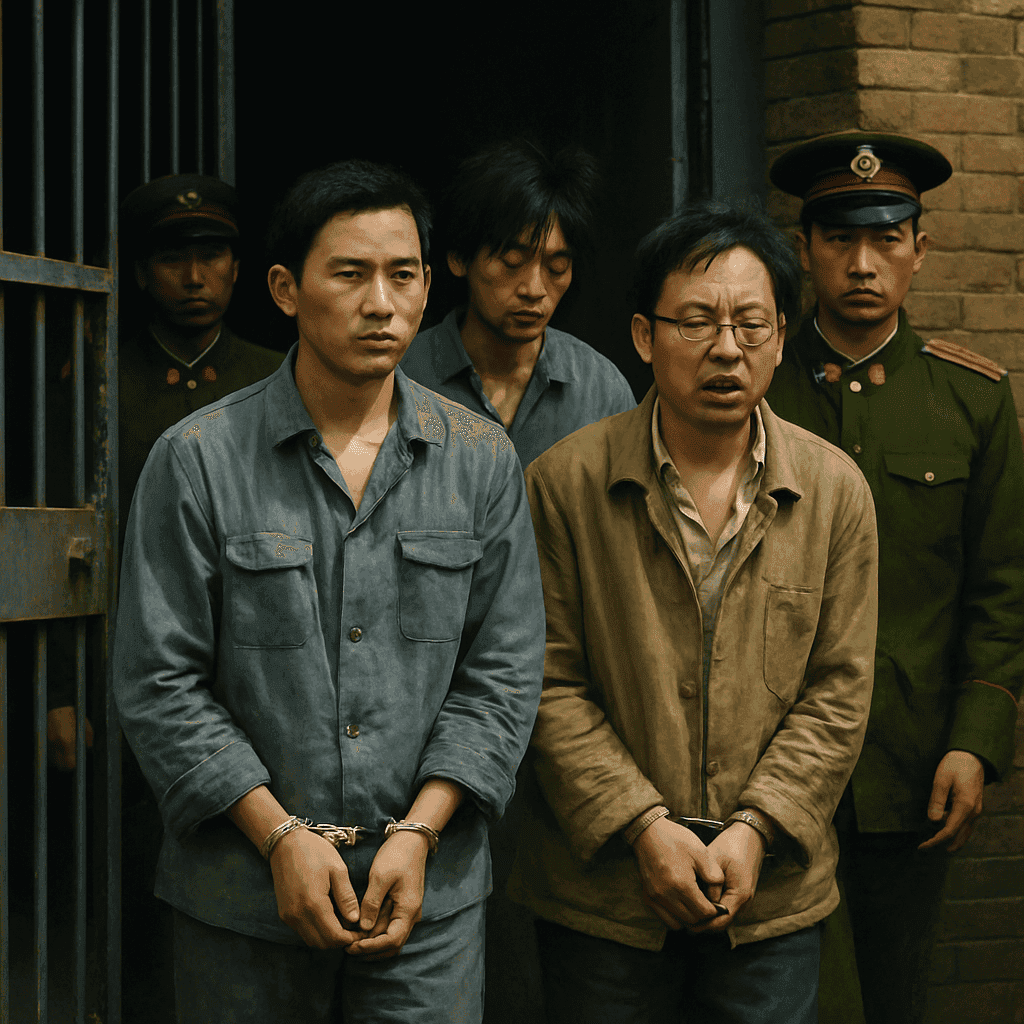
On May 10, 1990, nearly a year after the brutal crackdown on pro-democracy demonstrators in Tiananmen Square, the Chinese government released 211 prisoners who had been detained during the 1989 protests. The release was seen as a modest but noteworthy response to mounting international criticism of China’s human rights record in the wake of the violent suppression that had stunned the world.
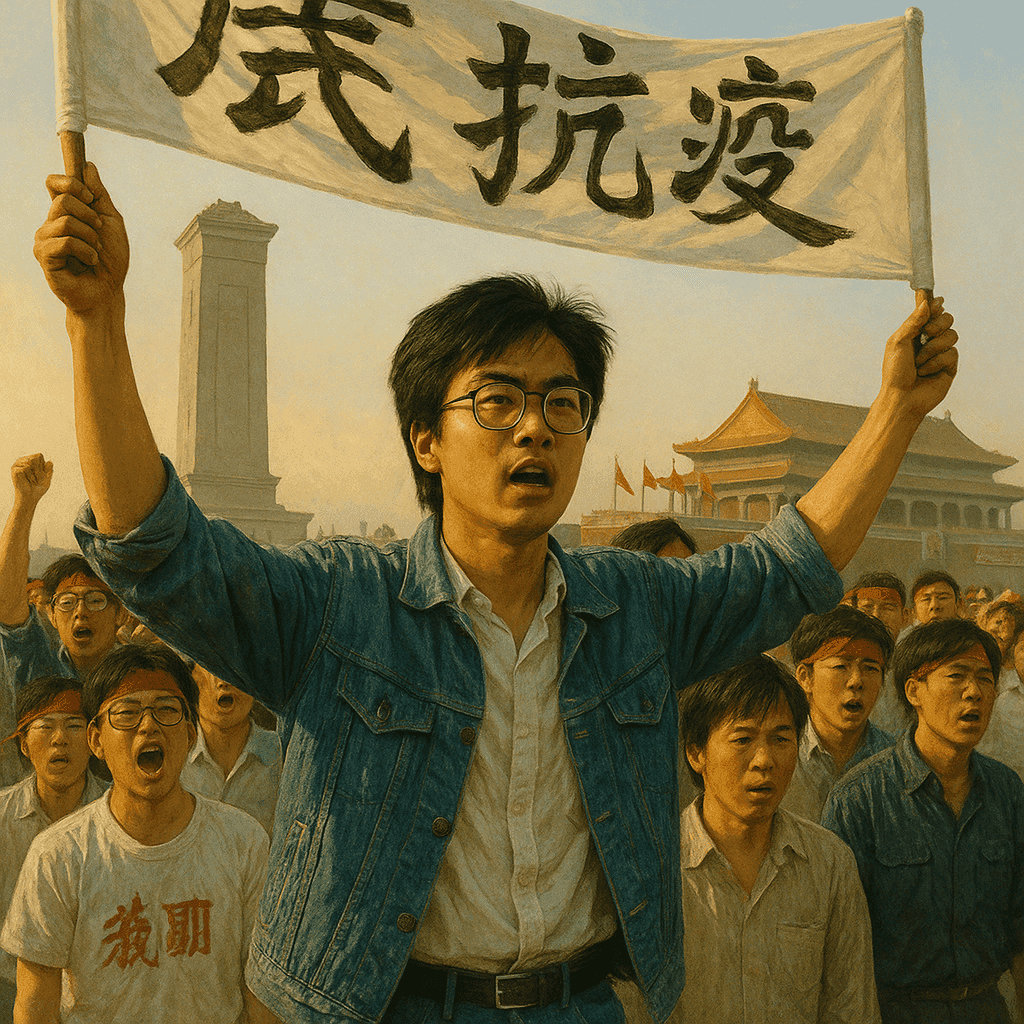
Echoes of Tiananmen
The Tiananmen Square protests, which began in April 1989, were largely led by students and intellectuals calling for democratic reforms, greater personal freedoms, and an end to government corruption. As the movement gained momentum, thousands of people from all walks of life joined the demonstrations, turning Beijing’s central square into a powerful symbol of civil resistance.
On June 4, 1989, the Chinese government declared martial law and ordered the military to forcibly clear the square. The result was a violent crackdown, with troops and tanks opening fire on unarmed protesters. Though the Chinese government has never released an official death toll, estimates from human rights groups range from several hundred to several thousand.
A Response to Global Pressure
In the months following the massacre, China faced global condemnation. Economic sanctions, diplomatic protests, and widespread outrage from governments and human rights organizations around the world placed significant pressure on the Chinese leadership. The release of the 211 prisoners in May 1990 appeared to be an attempt to ease some of that tension and signal a willingness to move forward.
However, the gesture was widely viewed as limited in scope. Thousands had been arrested in connection with the protests, and many remained in custody or under surveillance. Others had gone missing altogether, with families left in the dark about the fate of their loved ones.
A Legacy of Silence and Resilience
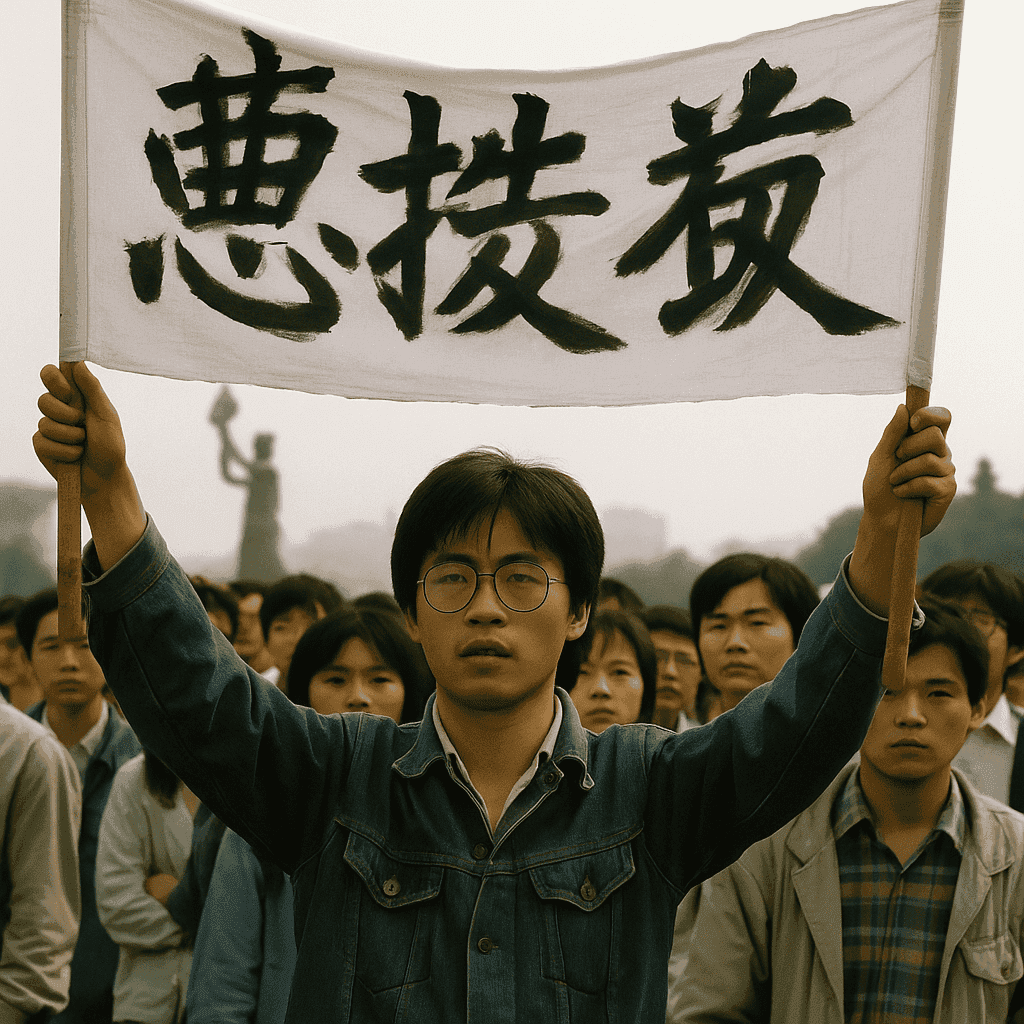
To this day, discussion of the Tiananmen Square protests remains heavily censored within China. Public commemorations are forbidden, and references to the event are routinely scrubbed from media and online platforms. The government continues to tightly control the narrative, framing the protests as a necessary measure to preserve stability.
Yet outside of China, the memory of Tiananmen endures as a symbol of the fight for democracy and the high cost of authoritarian rule. The 1990 prisoner release is remembered as a small but significant acknowledgment of international scrutiny—and a reminder of the many voices that were silenced, imprisoned, or erased.
May 10, 1990, marked a cautious step toward reconciliation, but it also underscored how far the road to justice and accountability still stretches. The legacy of Tiananmen remains unresolved, a chapter in modern history that continues to shape China's global image and the ongoing struggle for human rights.