William Shakespeare, the English playwright, poet, and actor, was born on April 23, 1564, in Stratford-upon-Avon. His work, encompassing tragedies, comedies, and histories, transcended the boundaries of time and culture, earning him the title of the greatest writer in the English language. Shakespeare's profound insights into the human condition and his mastery of language and storytelling have left an indelible mark on literature and the arts, celebrated and revered across the globe.
A Prolific Voice in Elizabethan England
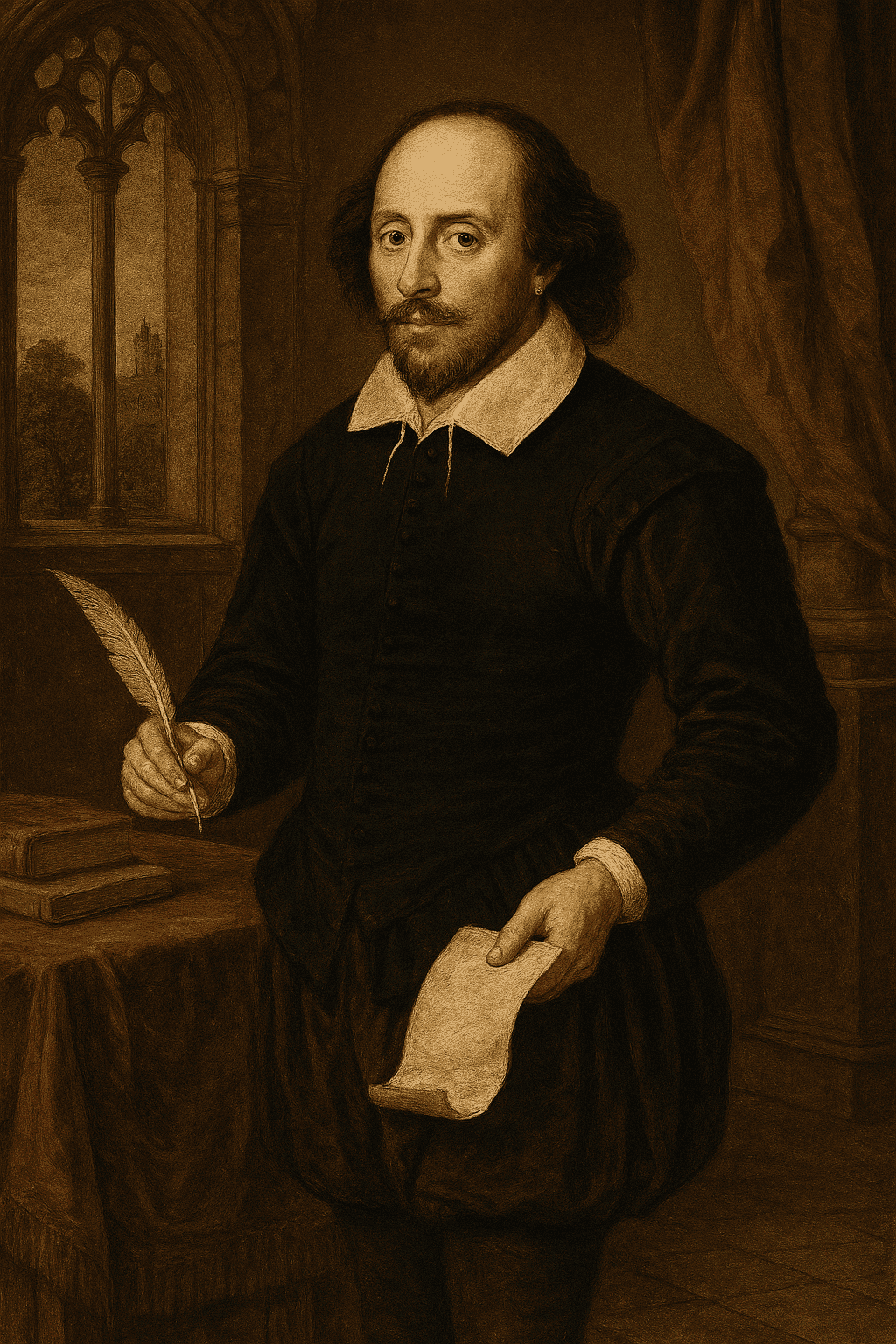
Shakespeare emerged during the Elizabethan era, a flourishing period of English history. The cultural richness of the time helped fuel his creativity and enabled his works to thrive in the bustling theatrical world of London. By the early 1590s, his plays were already attracting attention, and he would soon become a central figure at the Globe Theatre.
Over the next two decades, he produced an extraordinary array of plays, including Romeo and Juliet, Hamlet, King Lear, and Othello. His blend of poetic brilliance and dramatic tension captivated audiences and elevated English drama to unprecedented heights.
Themes That Transcend Time
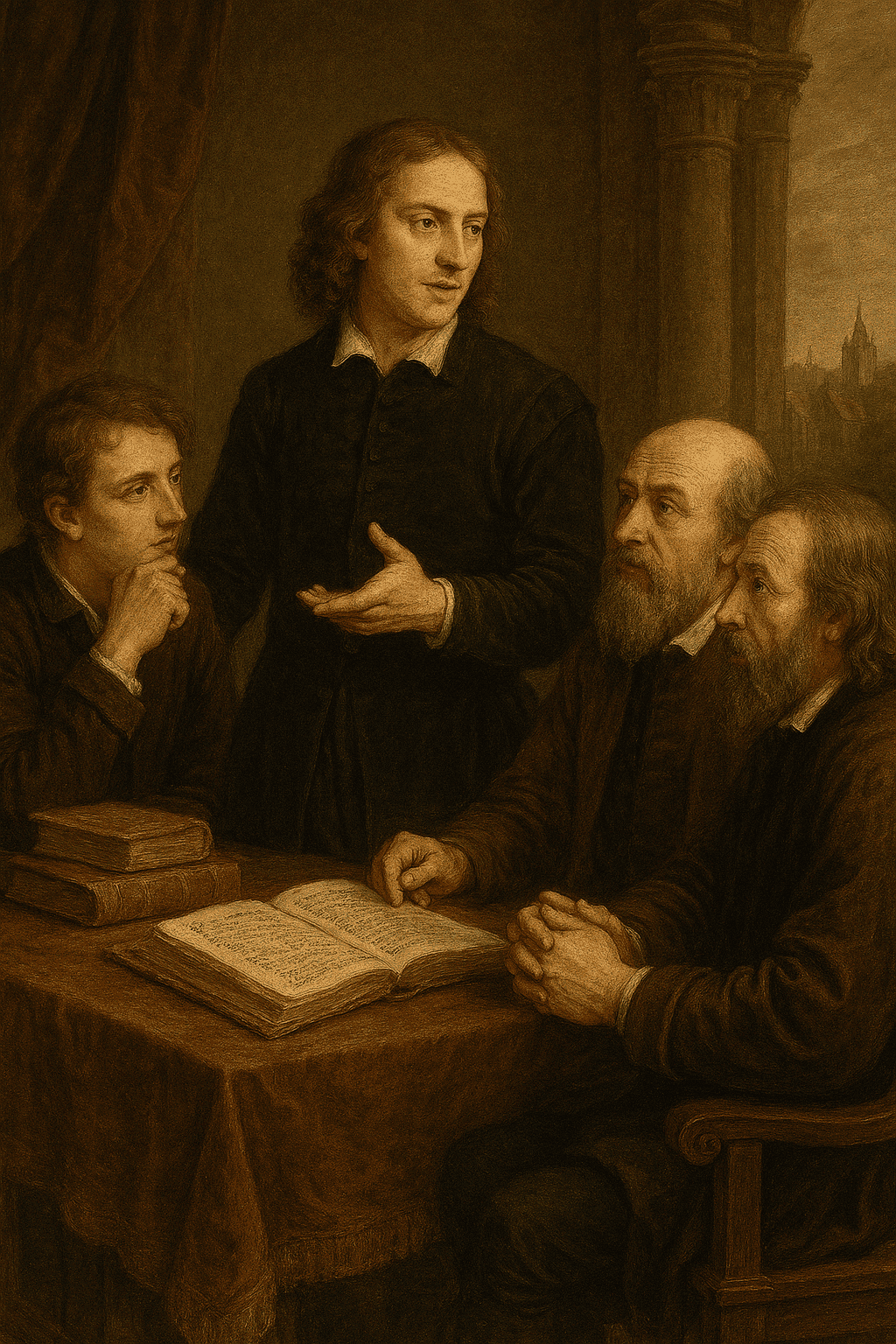
Shakespeare’s genius lies in his exploration of enduring human themes: love, power, ambition, jealousy, and mortality. His flawed, complex, and deeply human characters reflect the dilemmas we continue to face today. In works like Macbeth and Much Ado About Nothing, he deftly balanced humor, tragedy, and insight.
The beauty of his language, along with his inventive use of metaphor and rhythm, redefined English literature. Many phrases he coined remain in common use, demonstrating how his words have become embedded in the cultural fabric of the English-speaking world.
A Legacy Beyond the Stage
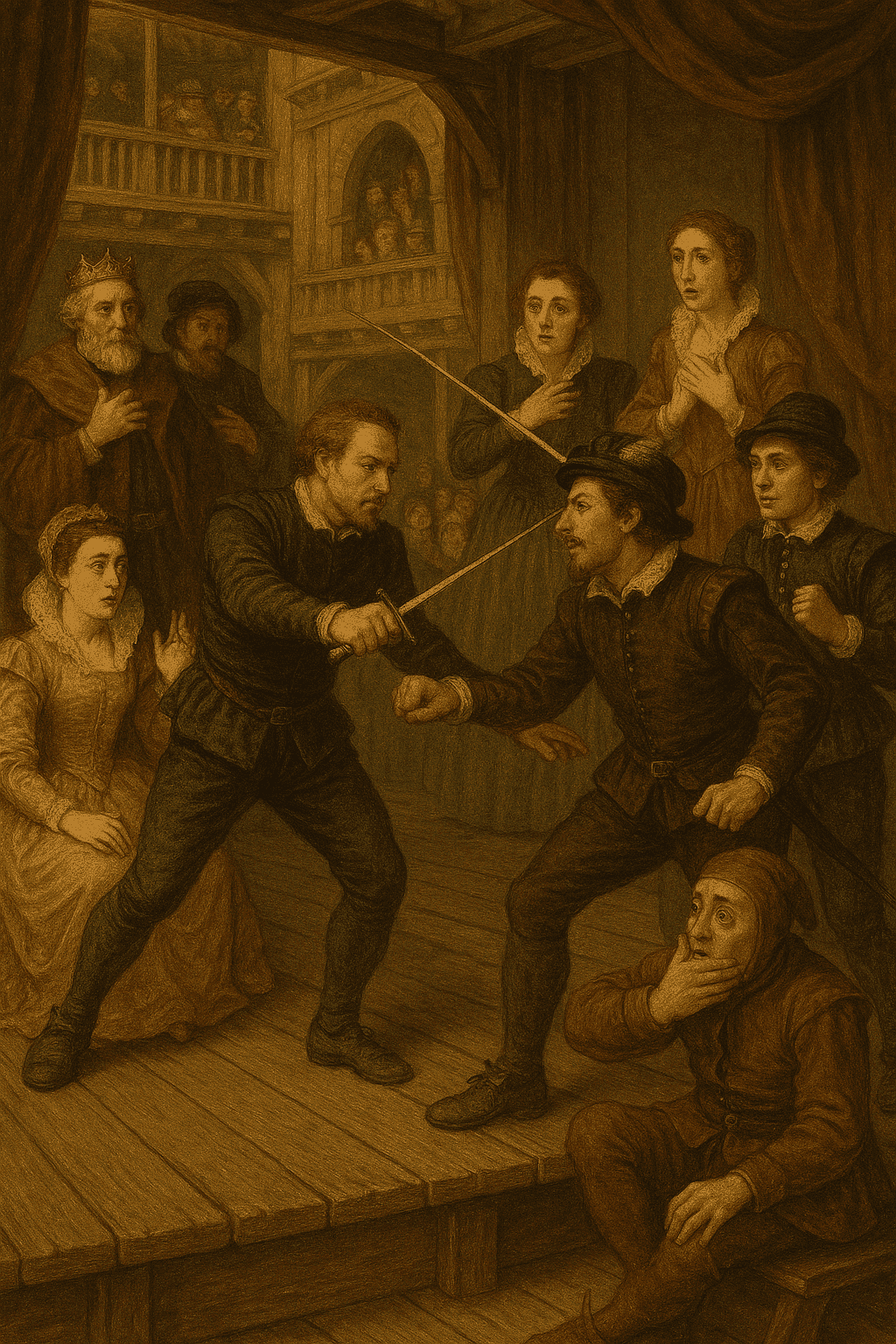
Over four centuries after his birth, Shakespeare remains one of the world's most performed and studied writers. His influence can be found in literature, theater, film, psychology, and beyond. His legacy is preserved not only in books and on stages but in how we think, speak, and understand ourselves.